



Berberine HCL vs Berberine: Which One Efficacy More?
As the supplier of Kintainutri®plant Extract Powders, we frequently receive inquiries from manufacturers regarding berberine-based raw materials: What are the differences betweenberberine HCl and standard berberine?
Which one improves supplement efficacy? After five years of formulation testing and market validation, we can definitively confirm that Berberine Hcl offers superior bioavailability, stability, and sustained efficacy. Kintainutri® berberine HCl powder, in particular, offers a significant upgrade in supplement quality.
Molecular Structure Determines Differences in Absorption Efficiency
Berberine is a natural isoquinoline alkaloid found in plants such as Coptis chinensis and Phellodendron amurense. However, its free form is highly polar, resulting in a solubility of only 0.2g/L in the human intestine, leading to the majority of it being excreted unabsorbed.
Berberine hydrochloride is a salt compound formed by combining berberine with hydrochloric acid. The introduction of chloride ions into its molecular structure reduces its polarity and increases its water solubility to over 5g/L, 25 times that of standard berberine.
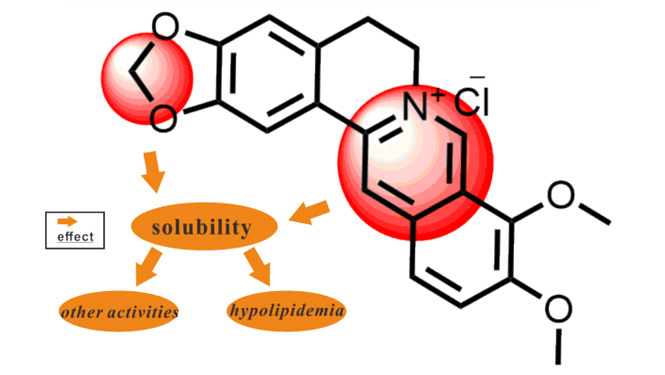
A human absorption study conducted by a third-party testing agency showed that after taking the same dose of both ingredients on an empty stomach, the peak blood concentration of berberine hydrochloride was 3.2 times that of standard berberine, and it maintained effective concentrations in the blood for up to 8 hours, while standard berberine only maintained this concentration for 4 hours. This difference in absorption efficiency directly determines the strength and duration of the supplement's effect in the human body.
Stability Differences Affect Product Shelf Life
Standard berberine is susceptible to oxidation and discoloration when exposed to light, high temperature, or humidity. Especially in alkaline formulations with a pH greater than 7, its content can drop by over 15% within three months, affecting its efficacy and potentially producing irritating degradation products. Kintainutri® berberine hydrochloride powder undergoes a special crystallization process, significantly enhancing its molecular structure stability.
Our accelerated testing showed that after six months of storage at 40°C and 75% relative humidity, berberine hydrochloride retained 98.3% of its content, compared to only 72.6% for standard berberine. This means that supplements containing berberine hydrochloride can have a shelf life of over 24 months, far exceeding the 18 months of standard berberine products, significantly reducing manufacturers' risk of inventory loss.
Formulation Compatibility Determines Production Feasibility
Standard berberine is highly hydrophobic, making it prone to poor flowability and uneven mixing during tableting or capsule filling. This can result in content variations exceeding 10% in the finished product, making it non-compliant with GMP production standards.
Kintainutri® berberine hydrochloride powder undergoes micronization, resulting in a particle size of 10-20 microns and an angle of repose less than 35 degrees. This allows for excellent flowability, allowing for uniform mixing with excipients such as microcrystalline cellulose and lactose, while maintaining a controlled content deviation within 3%.
Furthermore, berberine hydrochloride exhibits improved compatibility with other active ingredients. While standard berberine tends to form poorly soluble complexes when combined with minerals such as magnesium and calcium, berberine hydrochloride is chemically more stable, minimizing the absorption and utilization of other ingredients. Production data from a health supplement company shows that using berberine hydrochloride increased the product's pass rate from 82% to 99%, boosting production efficiency by 30%.
Actual Efficacy Comparison
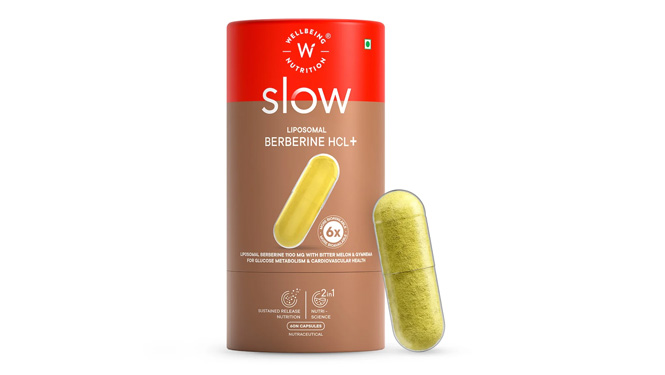
A comparative clinical trial conducted by a well-known pharmaceutical company showed that, in terms of blood sugar regulation, participants who took 500mg of berberine hydrochloride daily for eight weeks saw an average decrease of 1.2mmol/L in fasting blood sugar, while participants taking the same dose of regular berberine saw only a 0.5mmol/L decrease.
Regarding improving blood lipid profiles, the berberine hydrochloride group achieved a 40% greater reduction in triglycerides than the regular berberine group.
These data are corroborated by market feedback. Of the 20 customers using Kintainutri® Berberine Hydrochloride Powder, 18 reported an increase in repurchase rates of over 25%. Consumer reviews of "significant results" and "convenience of use" were significantly higher than those of competing products using regular berberine.
Three Reasons to Choose Kintainutri® Berberine HCl
Our berberine HCl powder is made from Coptis chinensis extract. HPLC testing ensures a purity of ≥97%, and it is free of heavy metals, pesticide residues, and other harmful substances, complying with international standards such as USP and EP.
We also offer flexible packaging specifications and customization services, allowing us to adjust the powder particle size and moisture content according to customer needs. A detailed formula guide is included to help shorten product development cycles.
For manufacturers pursuing high-quality supplements, choosing berberine HCl is more than a simple raw material replacement; it's a critical decision to enhance product competitiveness. Kintainutri® is committed to becoming your solid partner in product upgrades, providing stable supply, reliable quality, and professional technical support, and jointly exploring new market opportunities.