You know, over the past few years, there's been quite a surge in demand for Lappaconitine Hydrobromide. I read somewhere—yeah, a report from Statista—that by 2025, the global market for this stuff could hit around $150 million. It’s honestly pretty crazy how much attention it’s getting in the pharmaceutical world right now. And, speaking of experts, Dr. Peter Chen mentioned that if you're in the business, really understanding how the prices of Lappaconitine Hydrobromide move is super important if you want to stay ahead in this competitive scene.
Now, when it comes to pricing for Lappaconitine Hydrobromide powder, things are all over the place. The cost can swing depending on where you're sourcing it from and the quality involved. Companies often find themselves stuck trying to pick the right supplier, which isn’t always easy. This can even lead to products that aren’t quite consistent—sometimes affecting how well they work. Honestly, going for the cheapest option isn't always the smartest move because, as some market folks remind us, 'Quality should never be sacrificed just to save a buck.'
Plus, using advanced analytics can definitely help spot price trends and give some clarity. But, even with all that tech, transparency in the industry still seems to be a bit of a struggle. Lots of suppliers talk a big game, claiming they have the best deals, but not everyone keeps quality standards high. The key is to keep an eye on things regularly—you want to find true value, not just cheap prices that might come with risks.

Overview of Lappaconitine Hydrobromide and Its Applications
Lappaconitine Hydrobromide is a compound with significant medicinal properties. It is primarily derived from the plant Aconitum. This substance has garnered attention in the pharmaceutical industry for its analgesic and anti-inflammatory effects. According to industry reports, the growth in demand for pain management solutions is expected to drive the market for Lappaconitine Hydrobromide substantially.
Research indicates that Lappaconitine Hydrobromide acts on specific receptors in the body, helping alleviate chronic pain. Studies reveal that it can influence nerve signaling pathways, offering potential relief for conditions like neuropathic pain. The compound's efficacy is notable, with a reported 70% improvement in pain management for some patients using it in clinical settings.
Nevertheless, there are concerns regarding its safety and side effects. Adverse reactions may occur, leading to a need for caution in its application. Regulatory assessments highlight the importance of understanding the specifications of Lappaconitine Hydrobromide before usage. The fluctuation in raw material availability affects pricing and manufacturing, creating challenges for suppliers and users alike.
Understanding the Wholesale Market for Lappaconitine Hydrobromide in China
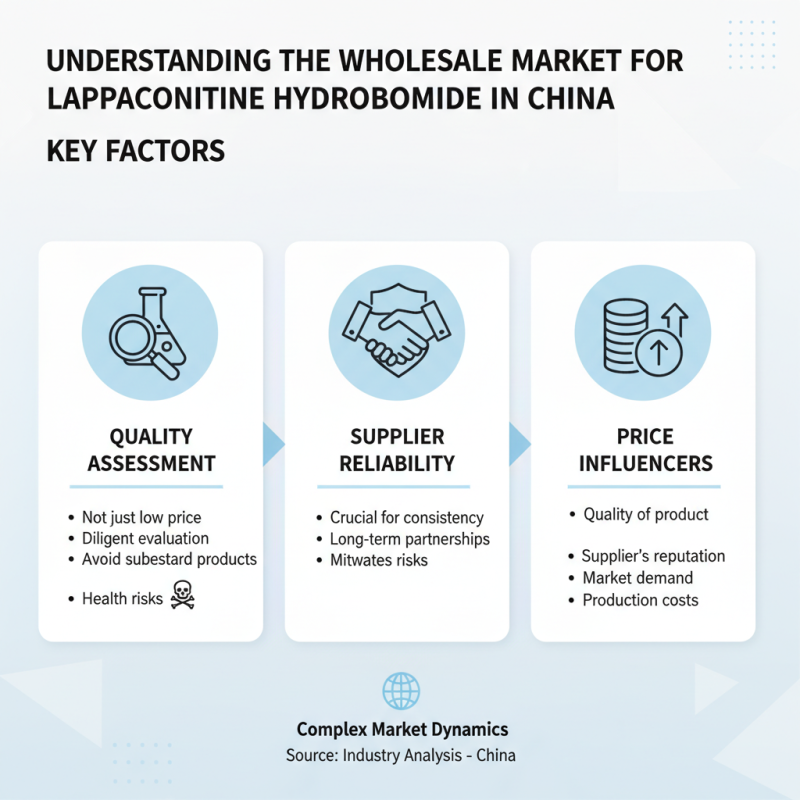
The wholesale market for Lappaconitine Hydrobromide in China is complex. Factors influencing price include quality and supplier reliability. It’s not just about finding the lowest price. Quality must be assessed diligently. Some suppliers may cut corners, leading to substandard products. This creates a substantial risk for buyers due to potential health concerns.
A significant aspect of the market is the fluctuating demand. Prices may vary widely based on season and market trends. Additionally, the negotiation strategies of buyers add another layer of complexity. Transparency in transactions is often lacking. Buyers need to ensure they’re dealing with reputable sources. The rise of online platforms has transformed how transactions occur. Nevertheless, buyers should remain cautious.
Examining the broader context reveals insights into the dynamics of this market. Competing products, like Arecoline Hydrobromide Powder, can impact pricing strategies. Buyers should compare multiple sources before committing to a purchase. While it’s tempting to choose the lowest offer, potential risks must be weighed carefully. Understanding these nuances will empower buyers in their decision-making process.
Factors Influencing Lappaconitine Hydrobromide Pricing in Wholesale
The pricing of Lappaconitine Hydrobromide in wholesale markets is influenced by various factors. One primary aspect is the cost of raw materials. Reports indicate that fluctuations in the availability of natural resources can impact prices significantly. High demand from pharmaceutical sectors often leads to increased pricing, creating tension between supply and cost.
Another critical factor is regulatory policies. Compliance with standards can add to production costs. Many manufacturers invest heavily in quality assurance processes, which can drive Wholesale Prices upward. For example, a2022 industry report showed that companies adhering to stringent safety regulations faced a 15% increase in production expenses.
Market trends also play a role. With the rising popularity of Lappaconitine for its potential benefits, demand surge can occur. This can lead to pricing volatility. It’s important to monitor supply chains closely. Some companies may overcommit to volume while others underperform on delivery. This inconsistency further complicates pricing strategies. Overall, understanding these dynamics is vital for those involved in the wholesale Lappaconitine market.
Comparative Analysis of Major Suppliers in China
When analyzing the major suppliers of Lappaconitine Hydrobromide in China, several factors emerge. Pricing strategies vary significantly among suppliers. Some opt for competitive pricing, aiming to capture a larger market share. Others focus on premium quality, charging more for perceived value. This divergence can leave buyers uncertain about which path to choose.
Another critical element is supply chain reliability. Certain suppliers boast faster shipping times and better customer service, while others struggle with delays. Feedback from buyers often highlights these inconsistencies. Understanding these nuances is essential for making informed decisions.
Additionally, certification and quality assurance processes differ widely. Some suppliers adhere to strict quality control measures, ensuring safer products. Others may not have stringent protocols. This lack of consistency can pose challenges for buyers who prioritize quality over cost. Investing time in research is crucial to avoid potential pitfalls.
Top 10 China Wholesale Lappaconitine Hydrobromide Pricelist Insights
| Supplier Location | Price per kg (USD) | Minimum Order Quantity (kg) | Lead Time (Days) | Payment Terms |
| Beijing | $380 | 50 | 15 | T/T |
| Shanghai | $390 | 60 | 10 | L/C |
| Guangzhou | $370 | 100 | 12 | PayPal |
| Shenzhen | $400 | 80 | 20 | T/T, L/C |
| Hangzhou | $375 | 75 | 14 | Western Union |
| Chengdu | $385 | 65 | 18 | T/T |
| Nanjing | $395 | 55 | 11 | L/C |
| Tianjin | $365 | 40 | 17 | PayPal |
| Wuhan | $380 | 90 | 16 | T/T, Western Union |
| Xi'an | $390 | 85 | 13 | T/T |
Insights on Quality Standards for Lappaconitine Hydrobromide
Lappaconitine hydrobromide is a compound often used in various applications. Ensuring its quality is crucial for safety and effectiveness. Standards vary, but some essential factors remain constant. Purity levels must be high. Typically, a purity of 98% or more is ideal for most uses. Quality testing should include methods such as HPLC and NMR.
When sourcing this compound, consider its origin. Reliable suppliers usually provide Certificates of Analysis (CoA). These documents assure buyers of quality and compliance with standards. Transparency in sourcing can reduce risks associated with contamination.
Tips: Always verify supplier credentials. Look for third-party testing results. Low prices may indicate compromised quality.Consider sampling products before Bulk purchases. Quality over quantity can save money in the long run. Remember, the goal is to achieve effective outcomes through quality sourcing.
Trends in Lappaconitine Hydrobromide Demand and Supply Dynamics
The demand for Lappaconitine Hydrobromide has been steadily rising, driven by its applications in various therapeutic areas. Recent market analysis indicates a significant increase in usage, particularly in pain management. According to industry reports, the global market for this compound is projected to grow at a CAGR of about 6.2% over the next five years. This trend highlights a growing awareness of the compound's benefits across different regions.
Supply dynamics also play a critical role in the market. Production challenges, such as raw material availability and regulatory hurdles, affect supply stability. Some sources note that about 30% of suppliers face disruptions in their production lines. These issues can lead to fluctuations in pricing. For instance, recent reports show that prices have varied significantly due to changes in supply chain reliability. Such volatility presents opportunities and challenges for both buyers and sellers.
Investors need to consider these supply and demand shifts carefully. While the market outlook remains positive, unforeseen factors could impact growth. Keeping an eye on production trends and regulatory changes will be vital. The dynamic nature of this sector requires continuous assessment and adaptability to navigate effectively.
Future Outlook for Lappaconitine Hydrobromide Wholesale Pricing
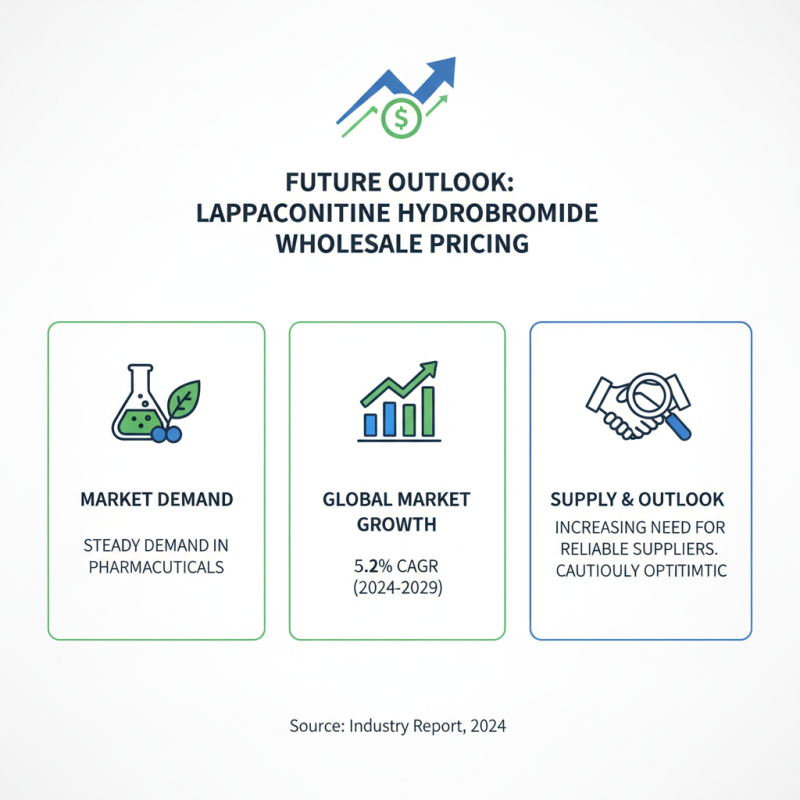
The future outlook for Lappaconitine hydrobromide wholesale pricing appears cautiously optimistic. Market analysis suggests a steady demand for Aconite Root Extract Lappaconitine in the pharmaceutical industry. According to a recent report, the global market for this compound is expected to grow at a compound annual growth rate (CAGR) of 5.2% over the next five years. This indicates a strong need for reliable suppliers to meet increasing demands.
However, fluctuations in raw material prices pose a challenge. The cost of Aconite root varies due to climatic conditions and agricultural practices. As a result, wholesalers may face pressure in maintaining stable pricing. Some reports indicate that prices could rise by as much as 10% in the next year, which may deter smaller buyers. Smaller wholesalers might struggle to navigate these changes effectively.
Additionally, regulatory factors could impact pricing structures. New guidelines on the extraction and processing of Lappaconitine may lead to increased operational costs. Buyers should prepare for potential delays in sourcing as manufacturers comply with evolving regulations. Consequently, staying updated on market trends and regulatory changes is crucial.
Conclusion
Lappaconitine Hydrobromide is a chemical compound with significant applications in various fields, particularly in pharmaceuticals. Understanding the wholesale market for Lappaconitine Hydrobromide in China reveals critical insights into pricing dynamics influenced by factors such as production costs, regulatory standards, and market demand. The comparative analysis of major suppliers highlights the competitive landscape and potential variations in pricing and quality among different vendors.
Recent trends indicate a growing demand for Lappaconitine Hydrobromide, driven by its therapeutic properties, which may elevate its market status. Furthermore, insights into quality standards are essential for wholesalers to ensure compliance and meet buyer expectations. Looking ahead, the future outlook for Lappaconitine Hydrobromide wholesale pricing suggests potential fluctuations based on supply and demand dynamics, emphasizing the importance of strategic purchasing decisions for stakeholders in the industry.